
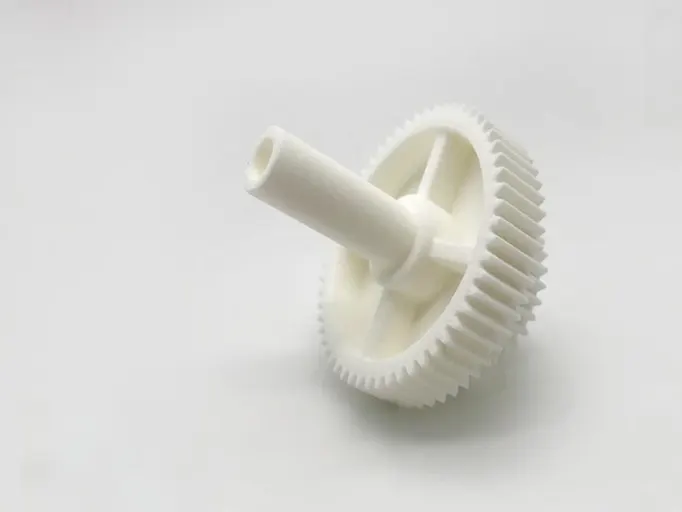
Rapid Prototyping
Fast functional samples for fit checks, design validation, testing, and customer demos.
Explore SLS prototyping servicesChina-based SLS manufacturing partner for engineering teams
Selective laser sintering (SLS) produces self-supporting polymer parts layer by layer without separate support structures. TPM3D reviews each CAD file, material, quantity, finish, inspection need, and delivery target before confirming manufacturability, price, and schedule.
Customer Experience
These brands reflect project and customer-service experience across TPM3D Group.






All trademarks and logos remain the property of their respective owners.
Manufacturing scope
Find the right SLS process, material and finish for your application before production.
Fast functional samples for fit checks, design validation, testing, and customer demos.
Explore SLS prototyping services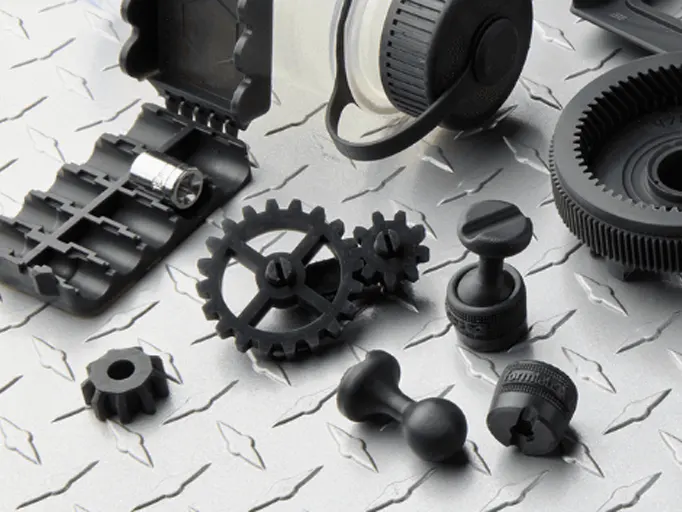
Bridge production and low-volume nylon parts without the time and cost of injection molds.
Explore low-volume SLS production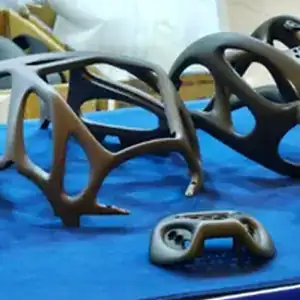
Dyeing, smoothing, polishing, painting, and assembly-ready finishing options.
Explore SLS finishing servicesMaterial guide
Compare PA12, PA11 and PA12GB before sending your drawings for engineering review.
Compare all materialsApplications
Case studies
Custom 3D printed spinal braces providing personalized solutions for scoliosis patients.
Read case
High-performance prosthetic components with lightweight design and excellent mechanical properties.
Read case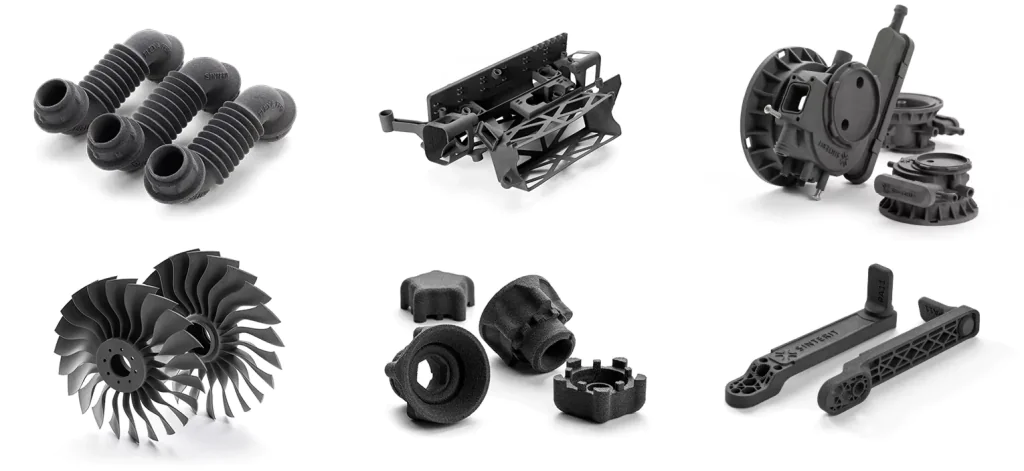
Batch production of precision small parts for multiple industry clients with complex geometries.
Read caseQuote workflow
STL, STEP, OBJ, or production drawings with material and quantity requirements.
DFM, wall thickness, tolerance, finish, and material checks before production.
Powder bed fusion for complex nylon parts without support structures.
Post-processing, inspection, packing, and global express delivery.
FAQ
Content reviewed: 11 September 2026
Selective laser sintering (SLS) is a powder-bed fusion process that uses a laser to fuse polymer powder layer by layer. The surrounding powder supports the build, so many complex geometries can be produced without separate support structures, subject to wall thickness, escape holes, orientation, material, and finishing requirements.
SLS is a practical option for functional prototypes, complex nylon geometries, and low-volume parts when avoiding dedicated support structures and injection tooling is valuable. It may not be the best choice when the project requires a mold-grade cosmetic surface, a material unavailable for SLS, or economics that favor established high-volume tooling.
Select the material from the application requirements, then compare the current grade data and relevant printed-part tests. Review stiffness, ductility, impact behavior, moisture exposure, temperature, surface finish, orientation, and inspection needs. Material-family names alone are not enough to confirm performance for a specific design.
TPM3D reviews both prototype and batch RFQs. The practical quantity for one project depends on part size, build nesting, material, inspection, finishing, schedule, and target cost. Send the expected quantity or quantity breaks so the engineering team can confirm capacity and project-specific pricing.
Lead time is confirmed after reviewing file readiness, quantity, material availability, nesting, machine schedule, cooling, post-processing, inspection, and destination. Include your required delivery date in the RFQ; TPM3D will confirm a project-specific production and shipping schedule rather than applying one timing claim to every order.
Send a CAD file such as STEP, STL, or OBJ together with quantity, material preference, surface finish, critical dimensions or tolerances, inspection requirements, application conditions, shipping destination, and target delivery date. If a material or tolerance is uncertain, identify the functional requirement for engineering review.
Start a project
Send drawings, material requirements, quantity, surface finish, and target delivery date.